Kilimanjaro
7 days
Mountain Climbing
The Lemosho route is considered the most scenic trail on Kilimanjaro, granting panoramic vistas on various sides of the mountain. As one of the newer routes, Lemosho is a superb choice for your climb. It is our preferred route due to its ideal balance of low crowds, beautiful scenery and a high summit success, Eddy Tours and Safaris specialize in guiding on the Lemosho route. Most of our clients climb Kilimanjaro using this route and they consistently report that they loved it. Thus, Lemosho is highly recommended.
The route approaches Mount Kilimanjaro from the west, beginning with a long drive from Moshi to Londorossi Gate. From there, the first two days are spent trekking through the rain forest to Shira Ridge. The Lemosho route crosses the entire Shira Plateau from west to east in a pleasant, relatively flat hike. Crowds are low until the route joins the Machame route near Lava Tower. Then the route travers’s underneath Kilimanjaro’s Southern Ice Field on a path known as the Southern Circuit before summiting from Barafu. Descent is made via the Mweka route.
You will be picked up at the Kilimanjaro International Airport and transferred to your hotel in Moshi town; you will meet your guide who will brief you on your upcoming trek and do an equipment check to make sure you have all the necessary mountain gear. The missing gear can be rented on this day.
We depart Arusha/Moshi for Londorossi Gate, which takes about 4 hours, where you will complete entry formalities. Then drive to the Lemosho trailhead (another hour to reach the trailhead). Upon arrival at trailhead, we eat lunch, and then commence through undisturbed forest which winds to the first camp site.
Elevation (ft): 9,500ft to 11,500ft
Distance: 8 km
Hiking Time 5-6 hours
Habitat: Moorland
We continue on the trail leading out of the forest and into a savannah of tall grasses, heather, and volcanic rock draped with lichen beards. As we ascend through the lush rolling hills and cross several streams, we reach the Shira Ridge before dropping gently down to Shira 1 camp. The view of Kibo from across the plateau is amazing.
We explore the Shira plateau for a full day. It is a gentle walk east toward Kibo’s glaciered peak, across the plateau which leads to Shira 2 camp on moorland meadows by a stream. Then we continue to Moir Hut, a little used site on the base of Lent Hills. A variety of walks are available on Lent Hills making this an excellent acclimatization opportunity. Shira is one of the highest plateaus on earth.
From the Shira Plateau, we continue to the east up a ridge, passing the junction towards the peak of Kibo. As we continue, our direction changes to the South East towards the Lava Tower, called the “Shark’s Tooth.” Shortly after the tower, we come to the second junction which brings us up to the Arrow Glacier at an altitude of 16,000ft. We now continue down to the Barranco Hut at an altitude of 13,000ft. Here we rest, enjoy dinner, and overnight. Although you end the day at the same elevation as when you started, this day is very important for acclimatization and will help your body prepare for summit day.
After breakfast, we leave Barranco and continue on a steep ridge passing the Barranco Wall, to the Karanga Valley campsite. Then, we leave Karanga and hit the junction which connects with the Mweka Trail. We continue up to the Barafu Hut. At this point, you have completed the South Circuit, which offers views of the summit from many different angles. Here we make camp, rest, enjoy dinner, and prepare for the summit day. The two peaks of Mawenzi and Kibo are to be seen from this position.
Very early in the morning (midnight to 2am), we continue our way to the summit between the Rebmann and Ratzel glaciers. You head in a northwesterly direction and ascend through heavy scree towards Stella Point on the crater rim. This is the most mentally and physically challenging portion of the trek.
At Stella Point (18,600 ft), you will stop for a short rest and will be rewarded with the most magnificent sunrise you are ever likely to see (weather permitting). From Stella Point, you may encounter snow all they way on your 1-hour ascent to the summit. At Uhuru Peak, you have reached the highest point on Mount Kilimanjaro and the continent of Africa. Faster hikers will see the sunrise from the summit.
From the summit, we now make our descent continuing straight down to the Mweka Hut camp site, stopping at Barafu for lunch. You will want gaiters and trekking poles for the loose gravel going down. Mweka Camp is situated in the upper forest and mist or rain can be expected in the late afternoon. Later in the evening, we enjoy our last dinner on the mountain and a well-earned sleep.
After breakfast, we continue the descent down to the Mweka Park Gate to receive your summit certificates. At lower elevations, it can be wet and muddy. Gaiters and trekking poles will help. Shorts and t-shirts will probably be plenty to wear (keep rain gear and warmer clothing handy).
From the gate, you continue another hour to Mweka Village. A vehicle will meet you at Mweka village to drive you back to hotel in Arusha/ Moshi.
After breakfast, depending on your Flight schedule, you will meet our office representative together with the driver for a transfer to Kilimanjaro International Airport (JRO), arriving in time for a drop-off to check-on your onwards Flight back home or to your next destination.
The dry season (June–October) is ideal for wildlife viewing as animals concentrate around water sources and roads are passable. January–February is also excellent. The short rains (November–December) and long rains (March–May) have fewer crowds and greener landscapes but can have wetter conditions. We help you choose the best timing for your goals (e.g., Great Migration).
Most of our packages are private safaris (just your group in a dedicated vehicle), offering flexibility and a personalized experience. We also arrange small group departures for those seeking to share costs.
Yes , Tanzania is a popular and generally safe destination for organized tours. Our experienced guides follow strict safety protocols in the parks. Risks are minimized by traveling with professionals. Petty theft is the main concern in cities, so standard precautions apply.
Start training 3–6 months in advance:
We can provide a recommended training plan upon booking.
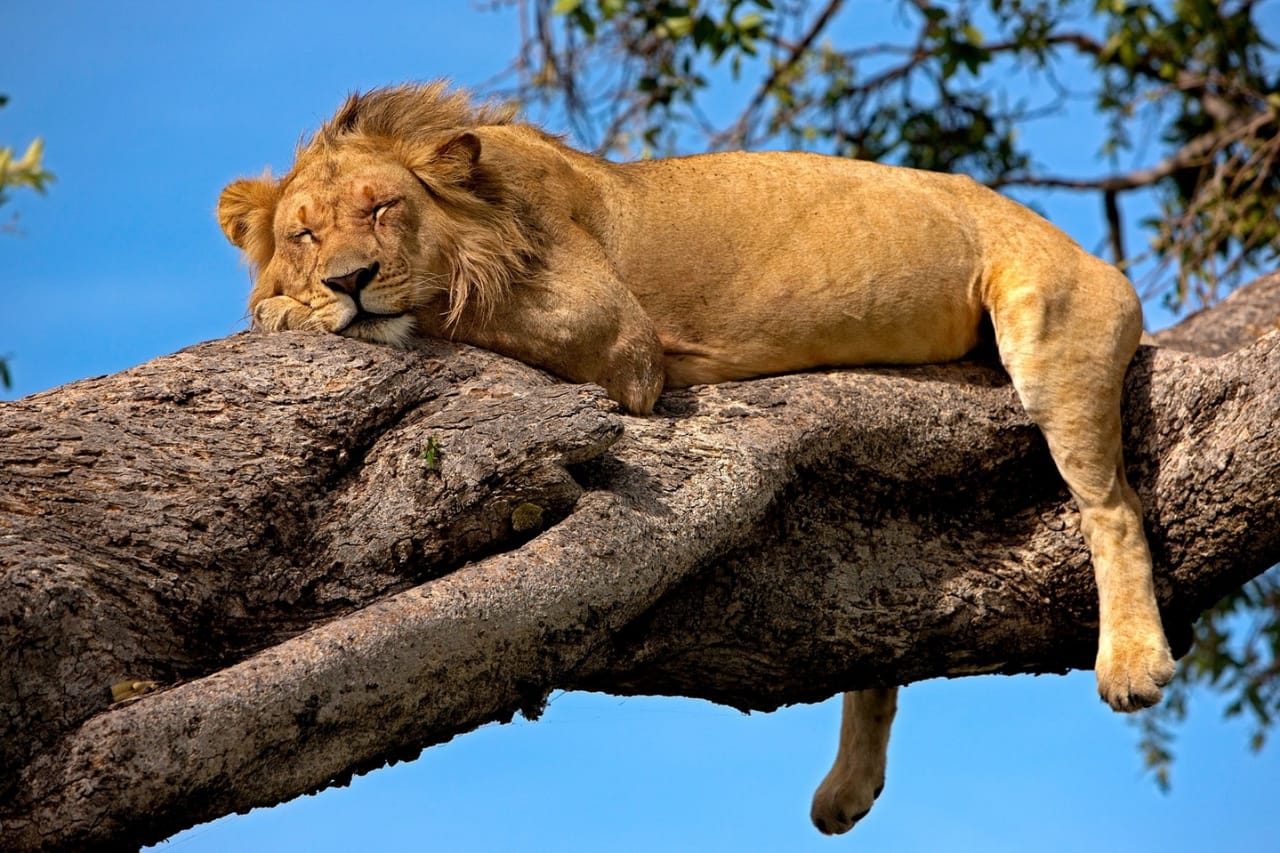
You have excellent chances of spotting the Big Five (lion, leopard, elephant, buffalo, rhino) plus giraffe, zebra, wildebeest, cheetah, hyena, and hundreds of bird species. The Great Migration in Serengeti is a highlight.
Policies vary by package but are clearly stated at booking. We offer flexible options and recommend comprehensive travel insurance to cover cancellations.