Kilimanjaro
5 days
Mountain Climbing
The Marangu route, also known as the “Coca-Cola” route, is the oldest, most well-established route on Kilimanjaro. This is the only route that offers sleeping huts in dormitory-style accommodations in lieu of camping. There are 60 bunk beds each at Mandara and Kibo Huts, and 120 bunk beds at Horombo Hut. Guests are supplied with mattresses and pillows, but sleeping bags are still required. The huts have communal dining halls and basic washrooms, ranging from flushing toilets and running water at the lower huts to long drop toilets and buckets of water at Kibo Hut.
Many favor Marangu because it is considered to be the easiest path on the mountain, given its gradual slope and direct path. However, the short time frame of the route makes altitude acclimatization fairly difficult. The route approaches Mount Kilimanjaro from the southeast. Marangu is unfortunately less scenic than the other routes because the ascent and descent are along the same path. It is also the most crowded route for that reason
You will be picked up at the Kilimanjaro International Airport and transferred to the Kilimanjaro White house hotel bed and breakfast in Moshi town; you will meet your guide who will brief you on your upcoming trek and do an equipment check to make sure you have all the necessary mountain gear. The missing gear can be rented on this day.
After breakfast and briefing, drive to the Kilimanjaro National Park Gate (45 minutes), register and commence the climb. Walk through the rainforest to the Mandara encampment. A side trip to Maundi Crater is a good way to see the surroundings including Northern Tanzania and Kenya. In the rainforest, look for towering Eucalyptus trees, bird life, and Colobus monkeys.
You leave the glades of the rainforest and follow an ascending path on the open moorlands to the Horombo encampment. Views of Mawenzi and the summit of Kibo are amazing. Look for giant lobelias and groundsels. You may begin to feel the effects of the altitude.
Ascending, we now pass the last watering point, walking into the saddle of Kilimanjaro between the peaks of Kibo and Mawenzi. Vegetation begins with upper heathland but then disappears into “moonscape”. Dinner, rest, and prepare for summit climb.
Very early in the morning (midnight to 2am), commence the climb to the summit on steep and heavy scree or snow up to Gilman’s point located on the crater rim. Continuing, we now ascend to Uhuru Peak, which is the highest point in Africa. There are unbelievable views at every turn. Have your picture taken at the summit to show your friends and family. From here we descend, stopping for lunch and a rest at Kibo before continuing on to the Horombo encampment.
The beginning of this climb is done in the dark and requires headlamps or flashlights. It will be very cold until you start descending, so you will need all of your warm layers. This is by far the most difficult part of the trek with many switchbacks. Going slowly “pole pole” and an optimistic attitude will get you there!
After breakfast, a steady descent takes us down through moorland to the Mandara Hut. Continue descending through lush forest path to the National Park gate at Marangu. At lower elevations, it can be wet and muddy. Gaiters and trekking poles will help. Shorts and t-shirts will probably be plenty to wear (keep rain gear and warmer clothing handy).
A vehicle will meet you at Marangu gate to drive you back to your hotel in Moshi. Don’t forget to tip your guides and porters. It is time for celebration!
After breakfast, depending on your Flight schedule, you will meet our office representative together with the driver for a transfer to Kilimanjaro International Airport (JRO), arriving in time for a drop-off to check-on your onwards Flight back home or to your next destination.
The dry season (June–October) is ideal for wildlife viewing as animals concentrate around water sources and roads are passable. January–February is also excellent. The short rains (November–December) and long rains (March–May) have fewer crowds and greener landscapes but can have wetter conditions. We help you choose the best timing for your goals (e.g., Great Migration).
Most of our packages are private safaris (just your group in a dedicated vehicle), offering flexibility and a personalized experience. We also arrange small group departures for those seeking to share costs.
Yes , Tanzania is a popular and generally safe destination for organized tours. Our experienced guides follow strict safety protocols in the parks. Risks are minimized by traveling with professionals. Petty theft is the main concern in cities, so standard precautions apply.
Start training 3–6 months in advance:
We can provide a recommended training plan upon booking.
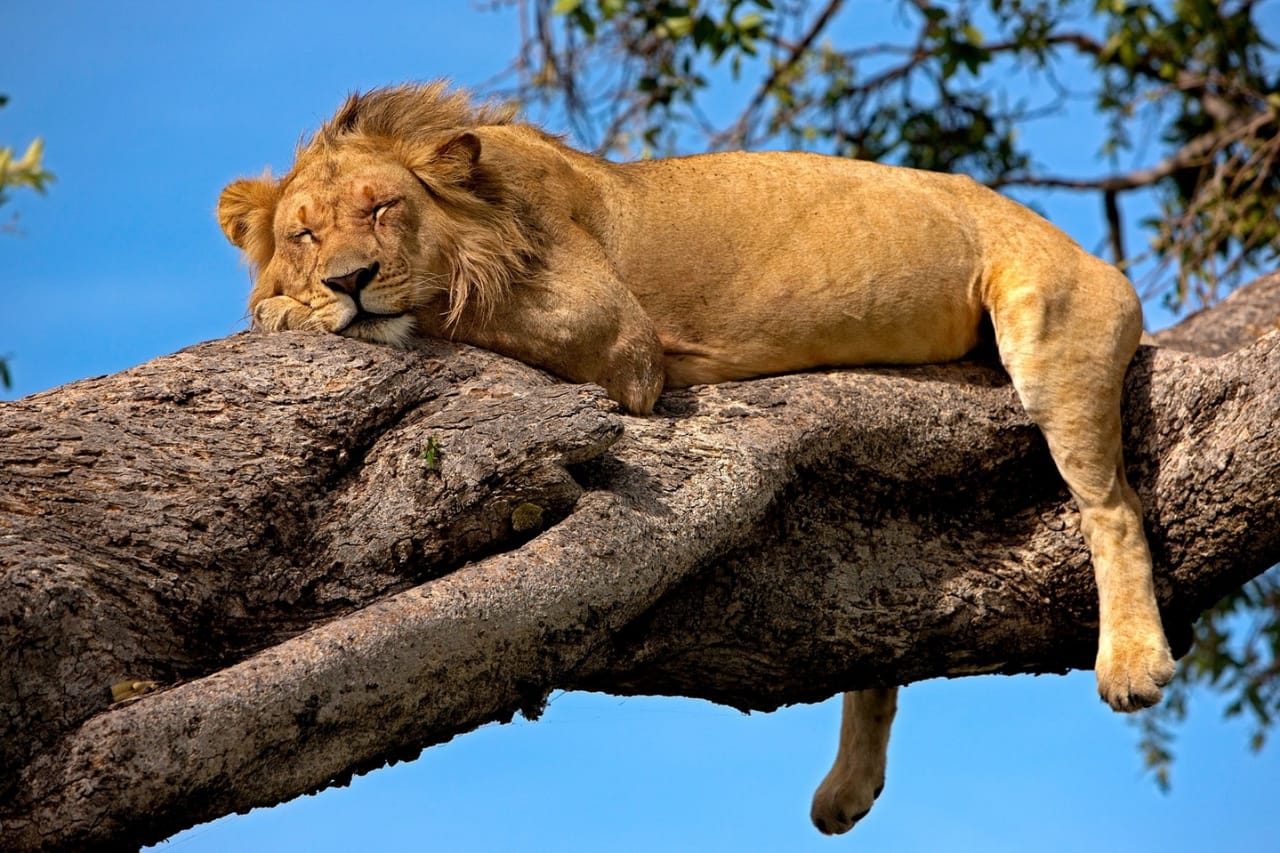
You have excellent chances of spotting the Big Five (lion, leopard, elephant, buffalo, rhino) plus giraffe, zebra, wildebeest, cheetah, hyena, and hundreds of bird species. The Great Migration in Serengeti is a highlight.
Policies vary by package but are clearly stated at booking. We offer flexible options and recommend comprehensive travel insurance to cover cancellations.