Serengeti National Park Ndutu Area. Ngorongoro Conservation Area
9 days
Wildlife adventure
This 8 night photographic safari in Tanzania (August–October) is designed for wildlife and landscape photographers. It features scenic drives to Karatu, exploration of the Ndutu area and Ngorongoro Conservation Area, followed by four full days in the Serengeti National Park during the tail end of the Great Migration. With a dedicated professional photographic guide and private vehicle, you’ll enjoy golden hour game drives, predator-prey action, dramatic landscapes, and stunning sunrises/sunsets across the northern circuit before returning to Karatu for departure.
Upon arrival at Kilimanjaro International Airport (JRO), you will be warmly welcomed by your professional photographic safari guide. After a short briefing and refreshing drinks, embark on a scenic drive to the lush highlands of Karatu Town, nestled along the Great Rift Valley escarpment. This is your first taste of Tanzania’s stunning landscape, a perfect introduction for landscape photography.
📸 Photography highlight: Local villages, dramatic highlands, and warm golden hour lighting
After breakfast, drive through the Ngorongoro Conservation Area, stopping at scenic viewpoints overlooking the world’s largest intact caldera. Continue onward to Ndutu Area, a haven for wildlife photographers especially during the calving season (Nov–Mar). This area offers a mixture of woodlands, swamps, and open plains ideal for photographing lions, cheetahs, elephants, and migratory birds in action.
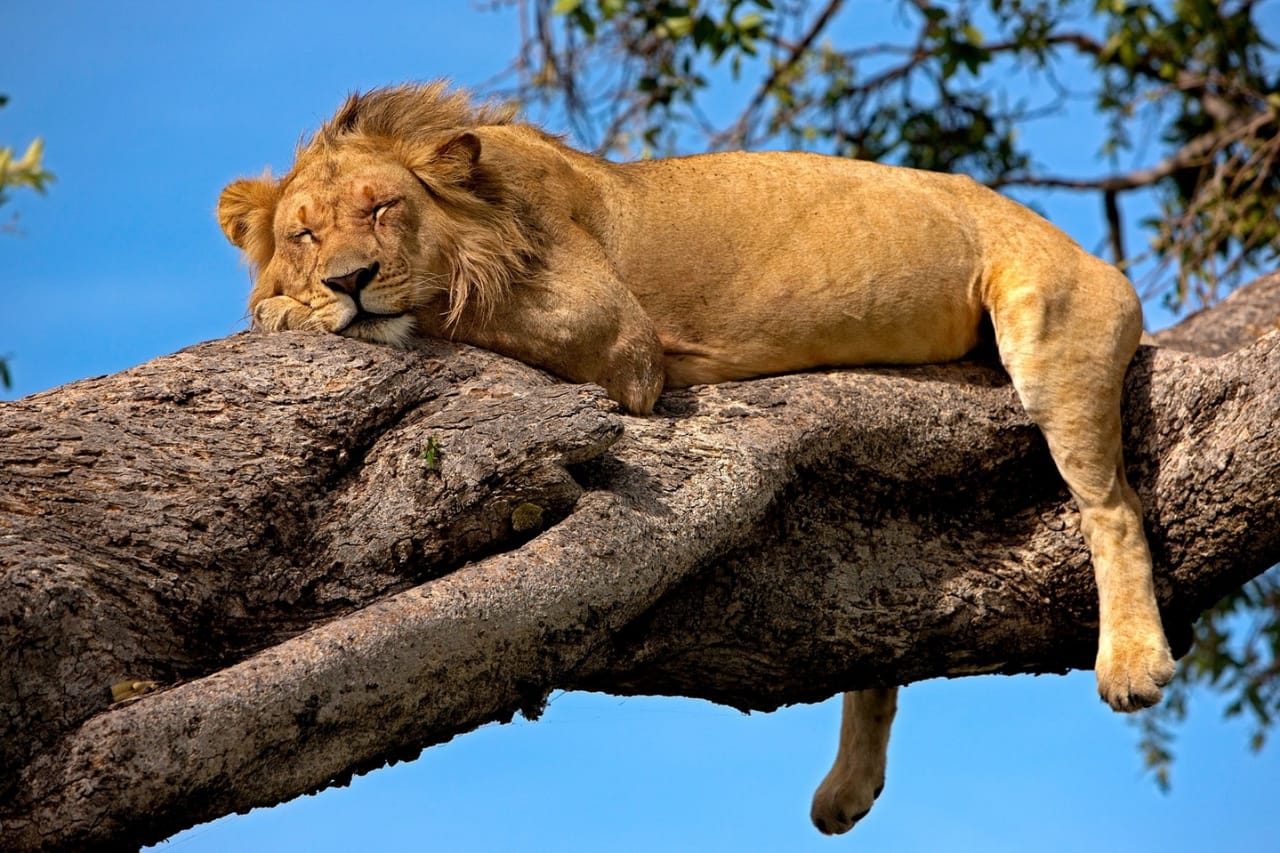
Spend four incredible days exploring the vast plains of the Serengeti National Park, home to Africa’s most iconic wildlife. The Serengeti is every photographer’s dream—witness dramatic wildlife interactions, endless golden savannahs, kopjes dotted with lions, and breathtaking sunrises. You’ll venture into different regions of the park, optimizing your chances for rare shots. With patience and timing, this is your chance to capture the Big Five, wildebeest herds, giraffes silhouetted against the sunset, and star-studded night skies.
After breakfast and a final morning shoot in the Serengeti, begin your journey back toward Karatu, taking in the last views of the vast plains and stopping for photographic opportunities along the way. Reflect on your safari journey during a relaxed evening at the lodge.
Enjoy your final breakfast with the sounds of nature around you before departing for Kilimanjaro International Airport. Depending on your flight time, optional short stops for souvenir shopping or scenic photos may be included along the way. Your photographic safari may end here, but the memories and powerful images you've captured will last a lifetime.
The dry season (June–October) is ideal for wildlife viewing as animals concentrate around water sources and roads are passable. January–February is also excellent. The short rains (November–December) and long rains (March–May) have fewer crowds and greener landscapes but can have wetter conditions. We help you choose the best timing for your goals (e.g., Great Migration).
Most of our packages are private safaris (just your group in a dedicated vehicle), offering flexibility and a personalized experience. We also arrange small group departures for those seeking to share costs.
Yes , Tanzania is a popular and generally safe destination for organized tours. Our experienced guides follow strict safety protocols in the parks. Risks are minimized by traveling with professionals. Petty theft is the main concern in cities, so standard precautions apply.
Start training 3–6 months in advance:
We can provide a recommended training plan upon booking.
You have excellent chances of spotting the Big Five (lion, leopard, elephant, buffalo, rhino) plus giraffe, zebra, wildebeest, cheetah, hyena, and hundreds of bird species. The Great Migration in Serengeti is a highlight.
Policies vary by package but are clearly stated at booking. We offer flexible options and recommend comprehensive travel insurance to cover cancellations.