The Hadzabe: Tanzania’s Last Hunter-Gatherers
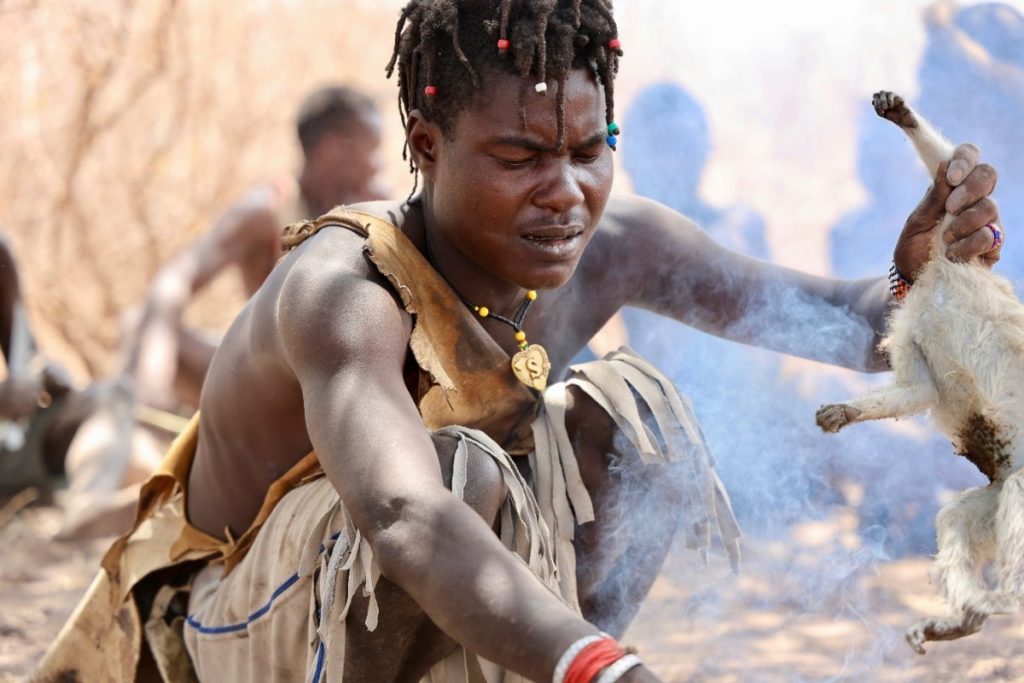
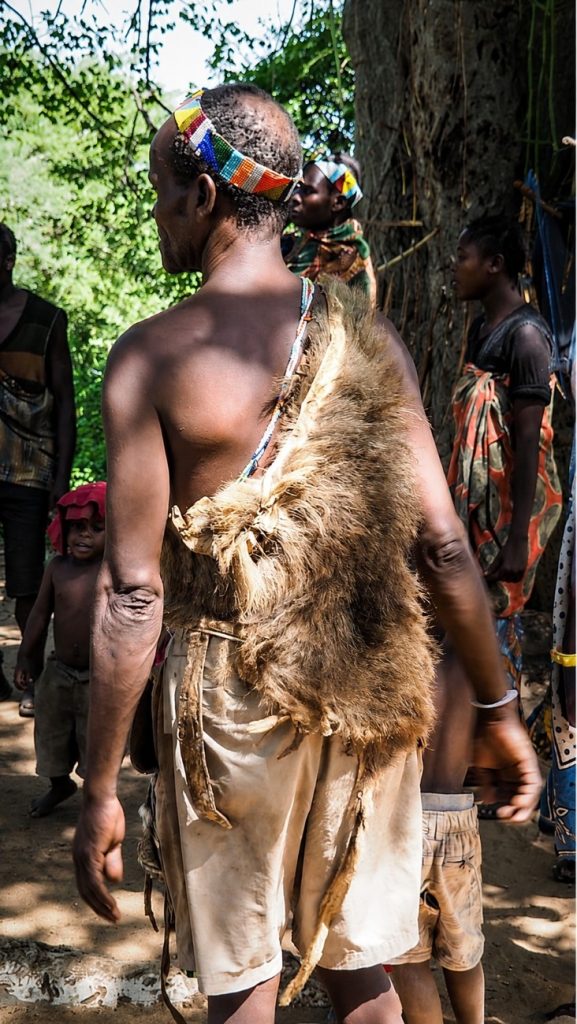
The Hadzabe (also known as Hadza) are one of the world’s few remaining true hunter-gatherer societies. They have lived in the Lake Eyasi region and Yaeda Valley for thousands of years, maintaining a lifestyle that echoes humanity’s earliest ancestors. Numbering around 1,000–1,500 people, they live nomadically in small camps, relying entirely on the land without farming or herding livestock.
Key elements of Hadzabe culture and tours:
- Hunting and foraging — Join them on early morning hunts using traditional bows and arrows (often poisoned tips) to track small game like birds, monkeys, or antelope. Women and children gather tubers, berries, baobab fruit, and wild honey.
- Traditional skills — Learn to make fire by hand, craft arrows, harvest honey with the help of honeyguide birds, and prepare meals from the day’s catch.
- Lifestyle and knowledge — Experience their deep connection to nature, including knowledge of medicinal plants, seasonal movements, and egalitarian social structure. They live in simple grass shelters and own few possessions.
- Location — Tours typically depart from Arusha or Karatu, heading to Lake Eyasi. Many combine this with visits to the Datoga (blacksmiths) for a fuller cultural picture.
These encounters emphasize mutual respect and sustainability—your visit helps support their efforts to maintain their land and traditions amid modern pressures.
The Maasai: Proud Warriors and Pastoralists
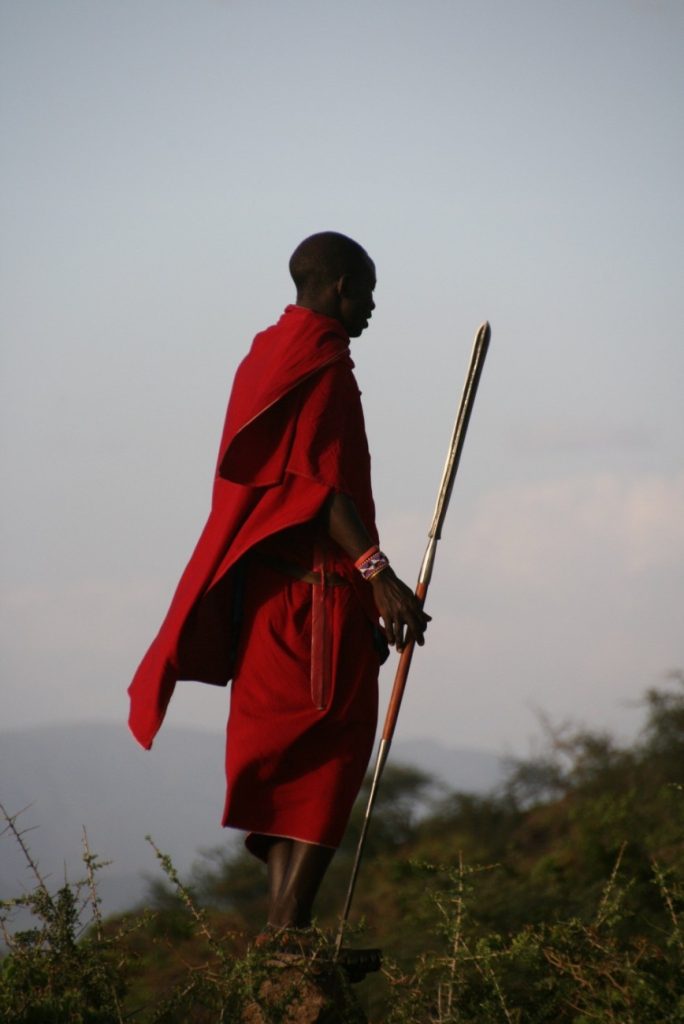
The Maasai are among East Africa’s most recognizable indigenous groups, spanning northern Tanzania and southern Kenya. Renowned for their vibrant red shukas (cloths), intricate beadwork, and warrior traditions, they are semi-nomadic cattle herders whose lives revolve around livestock, family, and the land.
Highlights of a Maasai cultural experience:
- Village (Manyatta) visits — Enter a traditional boma (thorn-fenced homestead) and see how families live in mud-and-stick huts.
- Warrior culture and dances — Witness the famous Adumu (jumping dance) performed by morans (young warriors), learn about their age-set system (where boys transition through circumcision and warrior stages to become elders), and hear stories of courage and lion hunting (now largely symbolic or restricted).
- Daily life and crafts — Try milking cows, learn about medicinal herbs, admire colorful bead jewelry (each color and pattern carries meaning), and purchase authentic handicrafts directly from the community.
- Locations — Common near Serengeti, Ngorongoro Crater, Tarangire, or Maasai Mara borders. Many tours include interactions that highlight their harmonious coexistence with wildlife.
Maasai communities often share tourism benefits to support education, healthcare, and land rights.
Datoga Tribe
The Datoga (also known as Datooga, Barabaig, or Mang’ati) are a semi-nomadic Nilotic pastoralist community in northern Tanzania, primarily around Lake Eyasi, the Manyara and Singida regions. Renowned as skilled blacksmiths, they craft intricate jewelry, spears, arrowheads, and tools from scrap metal using traditional techniques passed down through generations.
Cattle are central to Datoga life
symbolizing wealth, status, and survival. They practice agro-pastoralism, combining livestock herding with small-scale farming. Datoga people are known for their distinctive tattoos (especially circular designs around the eyes), colorful beadwork, leather garments, and rich oral traditions, music, and dances.